
Training Your Rottweiler for Therapy Certification: A Step-by-Step Guide
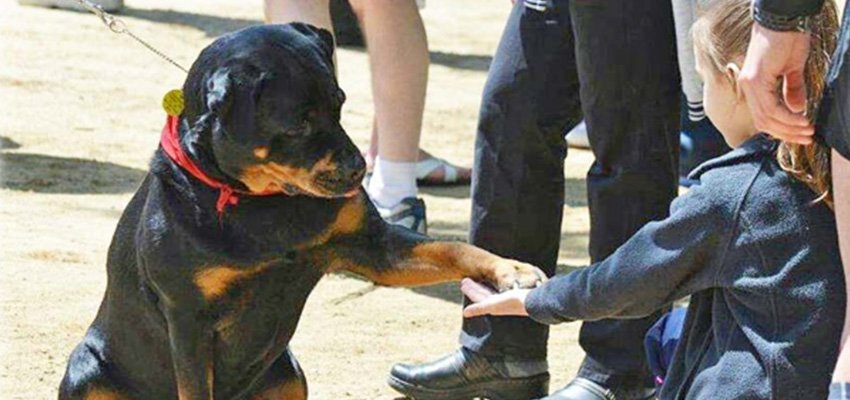
Few things are as rewarding as watching your Rottweiler bring comfort and joy to those who need it most. Beneath the powerful frame and confident gaze of this breed lies a heart full of empathy and loyalty — qualities that make Rottweilers truly exceptional therapy dogs. But greatness in therapy work doesn’t happen by accident. It’s the result of thoughtful breeding, careful training, and a deep bond between dog and handler.
At Rebel Rottweilers, we’ve seen firsthand how the right foundation can transform a strong, intelligent Rottweiler into a calm and gentle therapy companion. Whether your goal is hospital visits, school programs, or community outreach, this guide will walk you through everything you need to know to prepare your Rottweiler for official therapy certification — and a lifetime of meaningful work.
The Foundation: Early Socialization and Confidence Building
Therapy training begins long before your Rottweiler ever steps into a hospital or classroom. It starts with early socialization — the process of gently introducing your puppy to new people, sounds, and environments so that they grow up confident and adaptable. A Rottweiler who’s well-socialized as a puppy is far more likely to remain calm under pressure and relaxed in unfamiliar surroundings.
At Rebel Rottweilers, we begin this process from the very first weeks of life. Puppies are exposed to a variety of safe experiences — gentle handling, new textures, different noises, and friendly faces. These early exposures teach them that the world is a positive place and that new situations aren’t something to fear. Socialization continues throughout adolescence, with visits to parks, pet-friendly stores, and even quiet cafes, helping them build resilience and focus.
Confidence building is equally important. Positive reinforcement training, play-based challenges, and problem-solving exercises all help a Rottweiler learn that they can handle anything that comes their way. The goal isn’t just obedience — it’s emotional stability. When therapy dogs feel secure and confident, they can focus their energy on connecting with people rather than worrying about their surroundings.
Essential Training Skills for a Therapy Rottweiler
A successful therapy Rottweiler must have impeccable manners and reliable obedience. These are the building blocks of every great therapy dog. Basic commands like sit, stay, down, come, and heel are essential, but what really sets a therapy dog apart is how calmly and consistently they respond to those commands, even in distracting environments.
Your Rottweiler should be able to walk politely on a leash without pulling, remain composed when approached by strangers, and sit quietly while being petted. They must also learn how to ignore distractions such as loud noises, moving wheelchairs, or the presence of other animals. These skills require repetition, patience, and gentle correction — always using positive reinforcement to build confidence and trust.
Beyond obedience, emotional control is key. A therapy Rottweiler must learn to regulate their excitement and maintain a calm demeanor no matter the situation. Training sessions should include exposure to the kinds of environments they’ll encounter during therapy visits — hospital corridors, elevators, children’s playrooms, and nursing home lounges. This kind of real-world conditioning helps ensure your dog is relaxed and responsive, no matter what setting they find themselves in.
At Rebel Rottweilers, we emphasize that a therapy dog’s temperament is just as important as its training. A calm, steady, and affectionate personality can’t be forced — it must be nurtured. That’s why we focus on producing Rottweilers with sound temperaments, steady nerves, and a natural desire to please.
Understanding Certification Requirements
Before your Rottweiler can officially serve as a therapy dog, they must pass a certification test through a recognized organization. The most well-known options include Pet Partners, Alliance of Therapy Dogs, and Therapy Dogs International (TDI). Each organization has its own requirements, but most evaluate three main areas: obedience, temperament, and behavior in public settings.
During the certification process, your Rottweiler will be asked to demonstrate a variety of skills — walking calmly through crowds, sitting politely for petting, ignoring distractions, and interacting gently with strangers. They’ll also be tested on their ability to stay composed around medical equipment like walkers, crutches, and wheelchairs. Handlers are evaluated, too, since effective communication and teamwork are vital to every therapy partnership.
Before attempting certification, your dog must typically pass the Canine Good Citizen (CGC) test. The CGC is a nationally recognized benchmark for well-mannered dogs and covers basic obedience and public behavior. Passing the CGC demonstrates that your Rottweiler is ready for the next level of training and social interaction.
While the process may sound demanding, it’s designed to ensure that only the most stable, reliable dogs serve as therapy companions. With consistent training and exposure, most Rottweilers are more than capable of meeting these standards — and often exceed expectations with their focus, discipline, and loving nature.
The Human Side of the Journey
Training a therapy Rottweiler isn’t just about shaping the dog — it’s also about shaping the handler. The relationship between you and your Rottweiler is at the heart of every successful therapy team. Your dog takes emotional cues from you, mirrors your energy, and trusts your guidance in every situation. Building that kind of trust requires time, patience, and empathy.
Handlers must learn to read their dog’s body language, recognizing signs of stress or fatigue before they escalate. Therapy work can be emotionally demanding for both human and canine partners, so it’s important to balance work with rest and play. A well-rested, happy Rottweiler is far more effective in providing comfort than one who’s overworked or overstimulated.
This process also teaches the handler valuable lessons in mindfulness and compassion. Watching your Rottweiler connect with others — a child learning to read, a patient recovering from surgery, or a veteran coping with trauma — reminds you of the profound impact dogs can have on human healing. It’s not just training; it’s transformation, for both of you.
At Rebel Rottweilers, we often say that therapy work is the soul of the breed in motion — strength used not to dominate, but to heal. The journey from playful puppy to polished therapy dog is one of partnership and purpose, and it’s an experience that will deepen your bond with your Rottweiler in ways few others can.
Preparing for Real-World Visits
Once certified, your Rottweiler will be ready to start therapy visits — but preparation is key to success. Each environment presents unique challenges and rewards. Hospitals and nursing homes require calm, quiet behavior, while schools and libraries may call for a bit more patience and playfulness. Before your first visit, take time to learn about the specific setting, rules, and needs of the people you’ll be serving.
Bring essentials like a clean leash, grooming wipes, and water. Keep your Rottweiler well-groomed and fresh — cleanliness is especially important in healthcare environments. Make sure your dog has had a chance to exercise before the visit so they’re relaxed and focused.
The first few visits should be short and positive, allowing your Rottweiler to build confidence and enjoy the experience. Watch how people respond to your dog and how your dog responds in return. Some therapy dogs gravitate toward children, while others shine with the elderly or in physical therapy settings. Pay attention to where your Rottweiler naturally connects — that’s often where they’ll make the biggest impact.
Over time, your visits will become smoother and more rewarding. You’ll find that your Rottweiler intuitively knows when to sit close, when to offer a paw, or when to simply be still. These small gestures, simple as they seem, can brighten someone’s entire day.
At Rebel Rottweilers, we celebrate those moments. They reflect everything we strive for in our breeding program — confidence, compassion, and purpose in perfect balance. Whether standing tall or lying quietly beside a patient, a therapy Rottweiler embodies the heart of what this breed was always meant to be: a steadfast partner in every sense.
